The supermarket has a beauty standard. Produce pays for it.
Every year, an enormous volume of perfectly edible fruit and vegetables is discarded before it ever reaches a consumer. Not because it's spoiled. Not because it's dangerous. Because it doesn't look right. Supermarkets operate on strict cosmetic specifications — the right weight, the right length, the right curve — and anything outside those tolerances gets rejected at the farm gate.
Farmers lose income on crops they've grown. Consumers pay inflated prices for produce that's been filtered through an arbitrary appearance standard. And the food that doesn't make the cut rots in a field or a warehouse, generating methane as it breaks down.
~80%
of produce waste is cosmetic — not quality or safety
~40%
of fruit & veg never reaches the shelf at all
1/3
of all food produced globally is lost or wasted
A waste problem hiding in plain sight
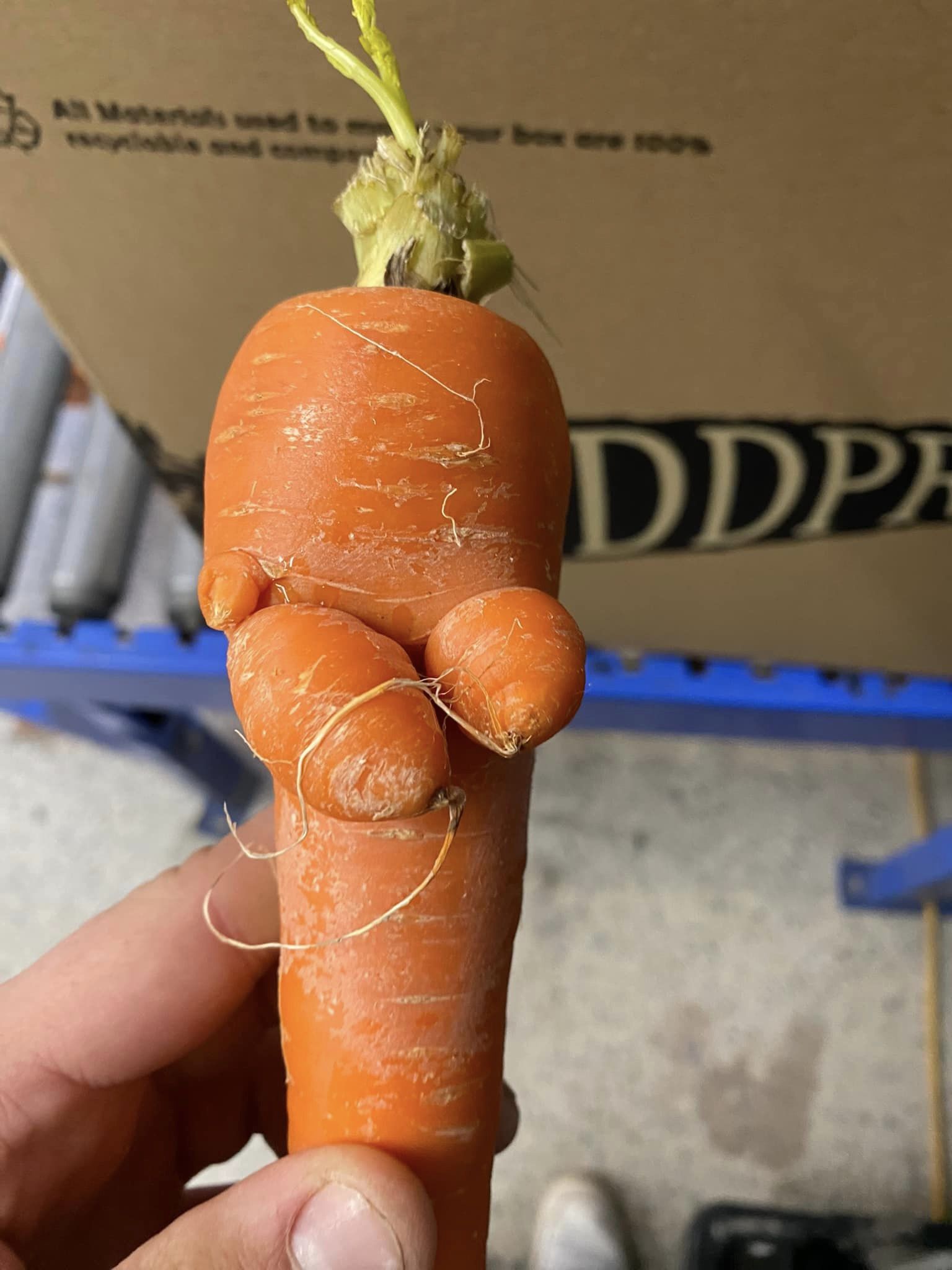
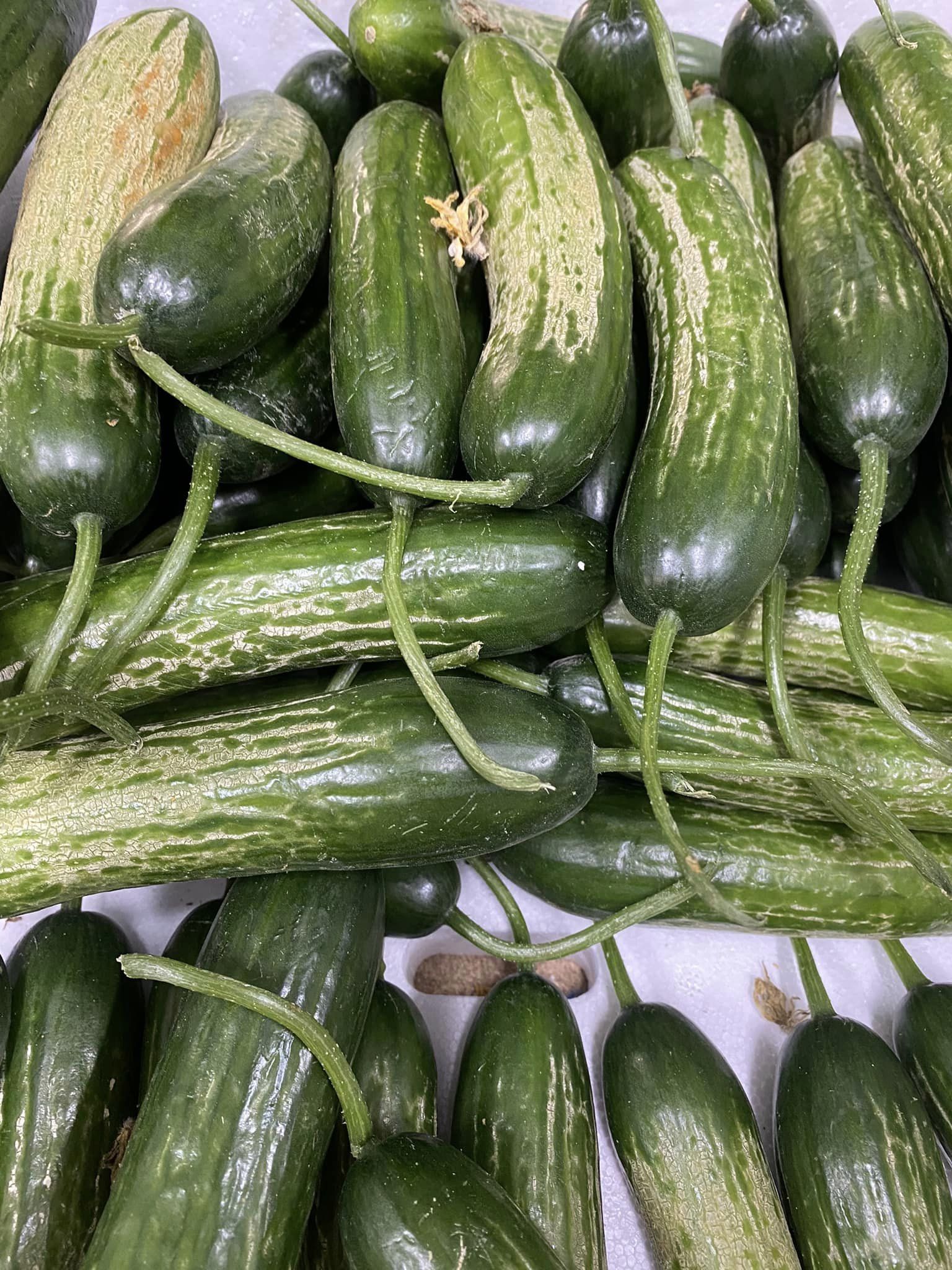
The numbers are striking, but the cause is mundane. Straight cucumbers. Round tomatoes. Uniform carrots. The cosmetic filter is so embedded in the supply chain that most consumers don't even know it exists.
Waste due to appearance
~80%
Fruit & veg that never hits the shelf
~40%
Global food lost or wasted
~33%
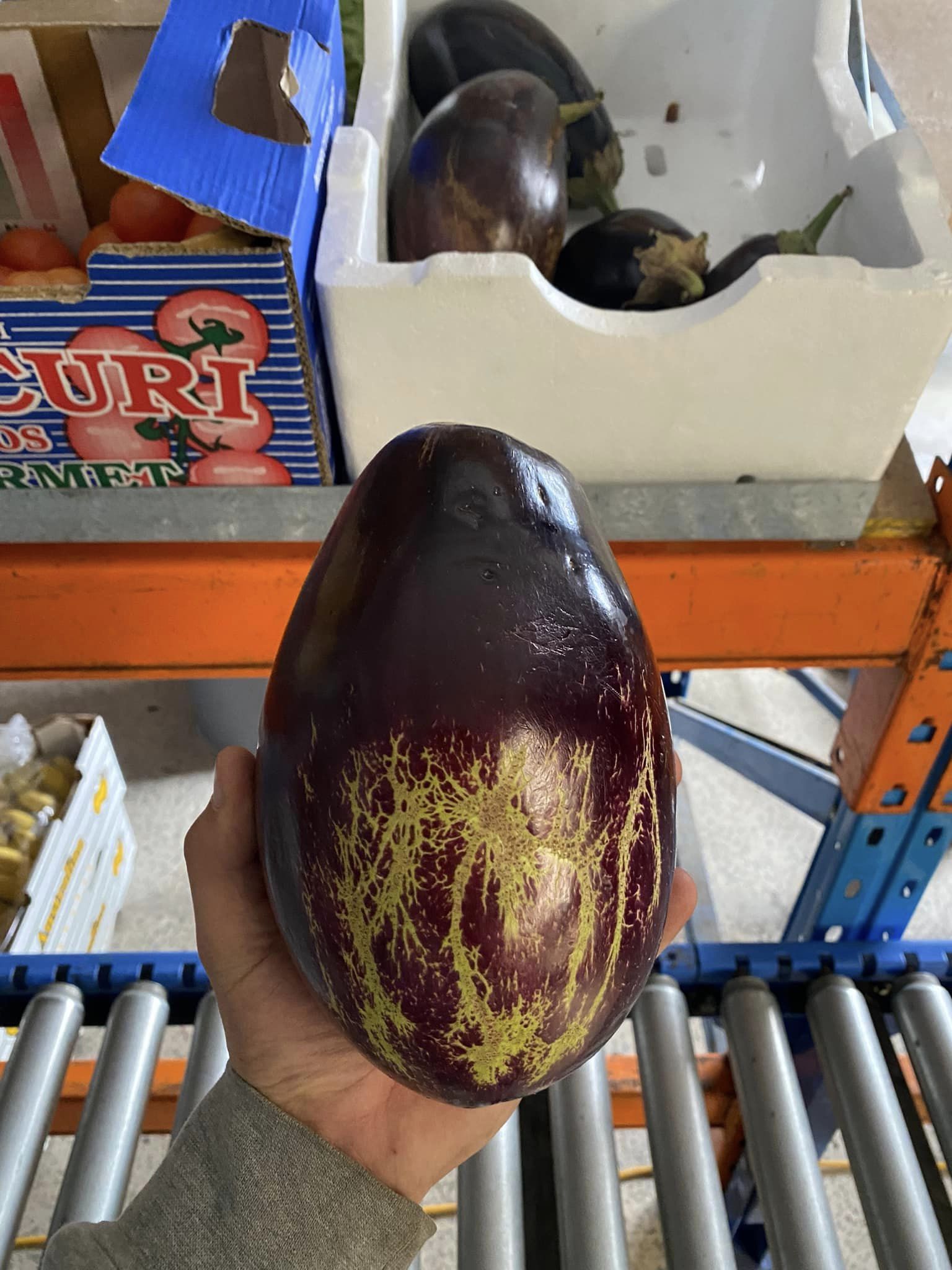
Same farm. Same flavour. Different shape.
Oddprod goes directly to the source: farms and wholesale suppliers — and buys the produce supermarkets won't take. We then pack it into weekly boxes and deliver it to customers at a price that reflects what it actually is: perfectly good food.
The model is simple. The margins are better than conventional retail because the input cost is low. And the customer proposition is clear: you get fresher, cheaper produce, and you're not contributing to a system that wastes it.
Building to $200k
Oddprod grew from a simple observation into a real business. Starting with a small customer base acquired through direct outreach and social media, we scaled the subscription model by leaning into the story — the waste statistics, the farm relationships, the idea that your box looked different every week because food actually looks different every week.
The growth came from retention as much as acquisition. Customers who understood what they were buying stayed. Word of mouth did a lot of the work. By keeping the supply chain lean and direct, the unit economics worked in our favour even at modest scale.
$200k
revenue as a co-founded startup
Direct
to farm sourcing — no middlemen
Weekly
subscription box with flexible plans