Students want to collaborate with AI. Universities aren't letting them.
Given the fundamental impact that AI has on student learning, how can USYD encourage responsible collaboration between people and AI, develop skills of innovative idea generation, and ensure graduates enter the workforce as successful leaders?
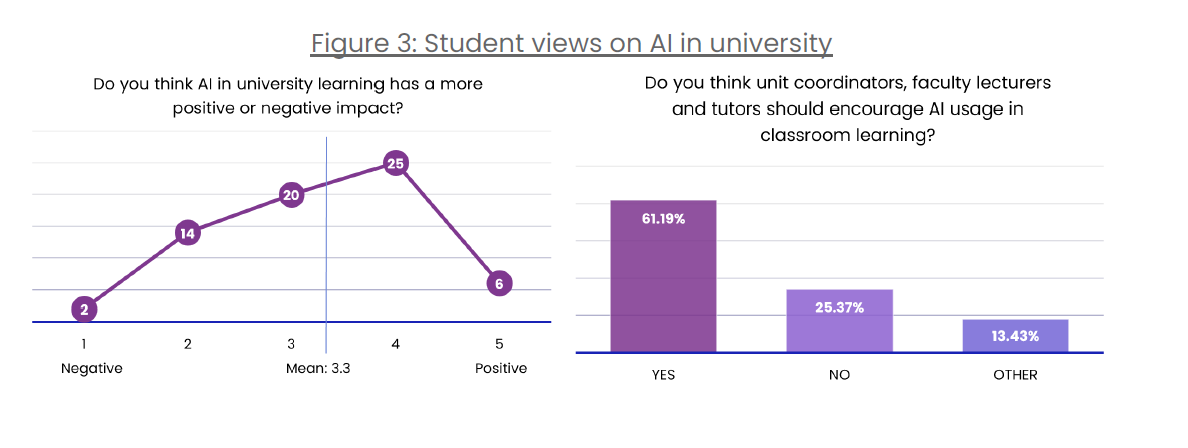
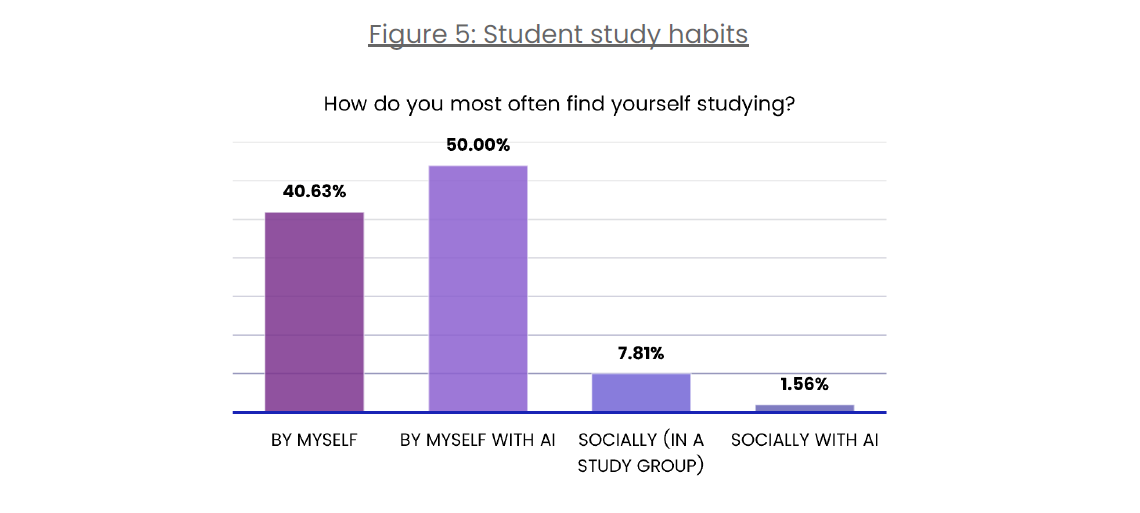
Our research found a clear contradiction: the vast majority of students already see AI as a collaborator and partner, not a shortcut, yet the university provides no structured environment for that collaboration to happen responsibly. Students study alone with AI, bypassing their peers entirely. Meanwhile lecturers encourage AI use but rarely integrate it into their course structures.
67
high-quality student survey responses
9
USYD lecturers interviewed across faculties
8/9
lecturers encourage AI, few have integrated it
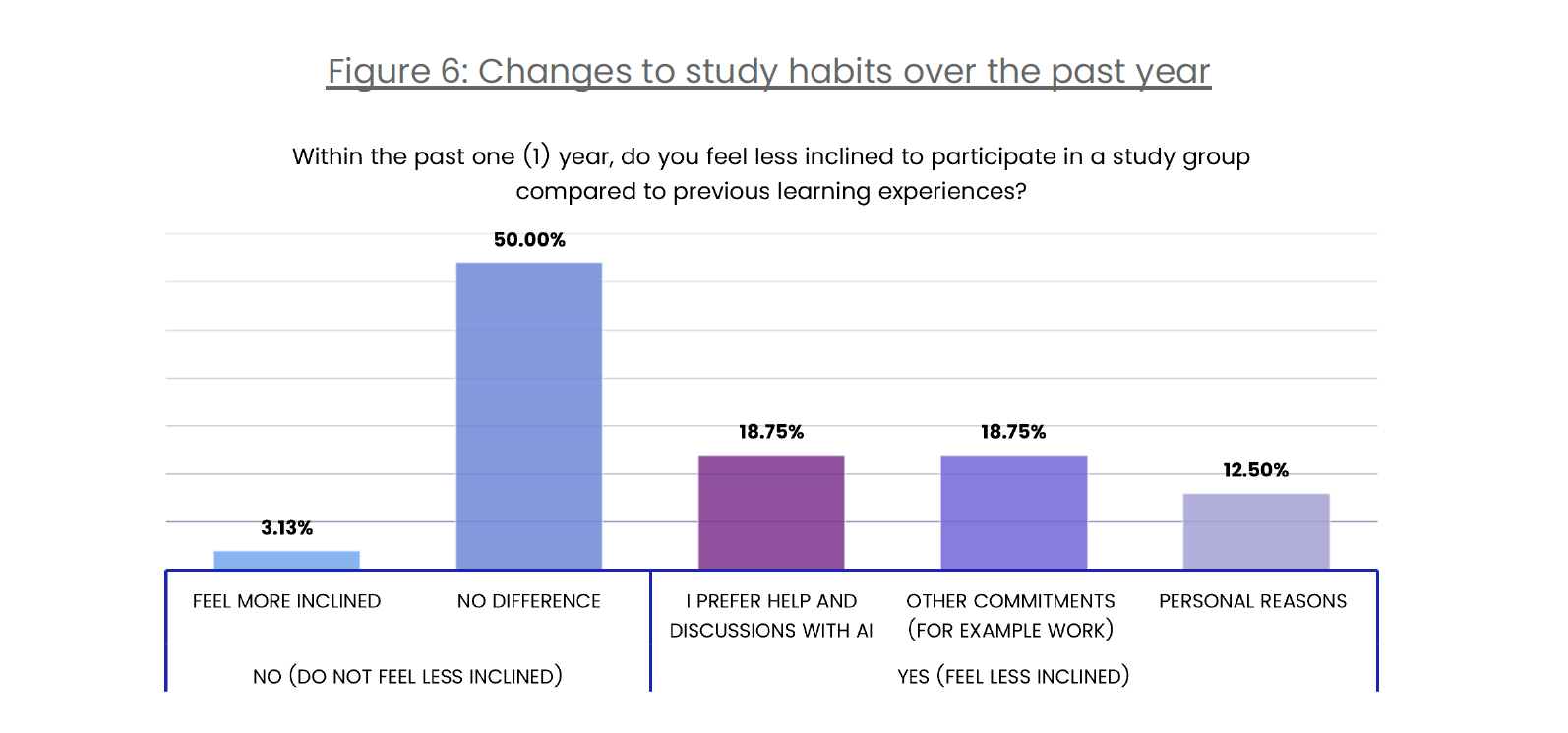
18.8%
of students now study alone because they prefer AI over peers
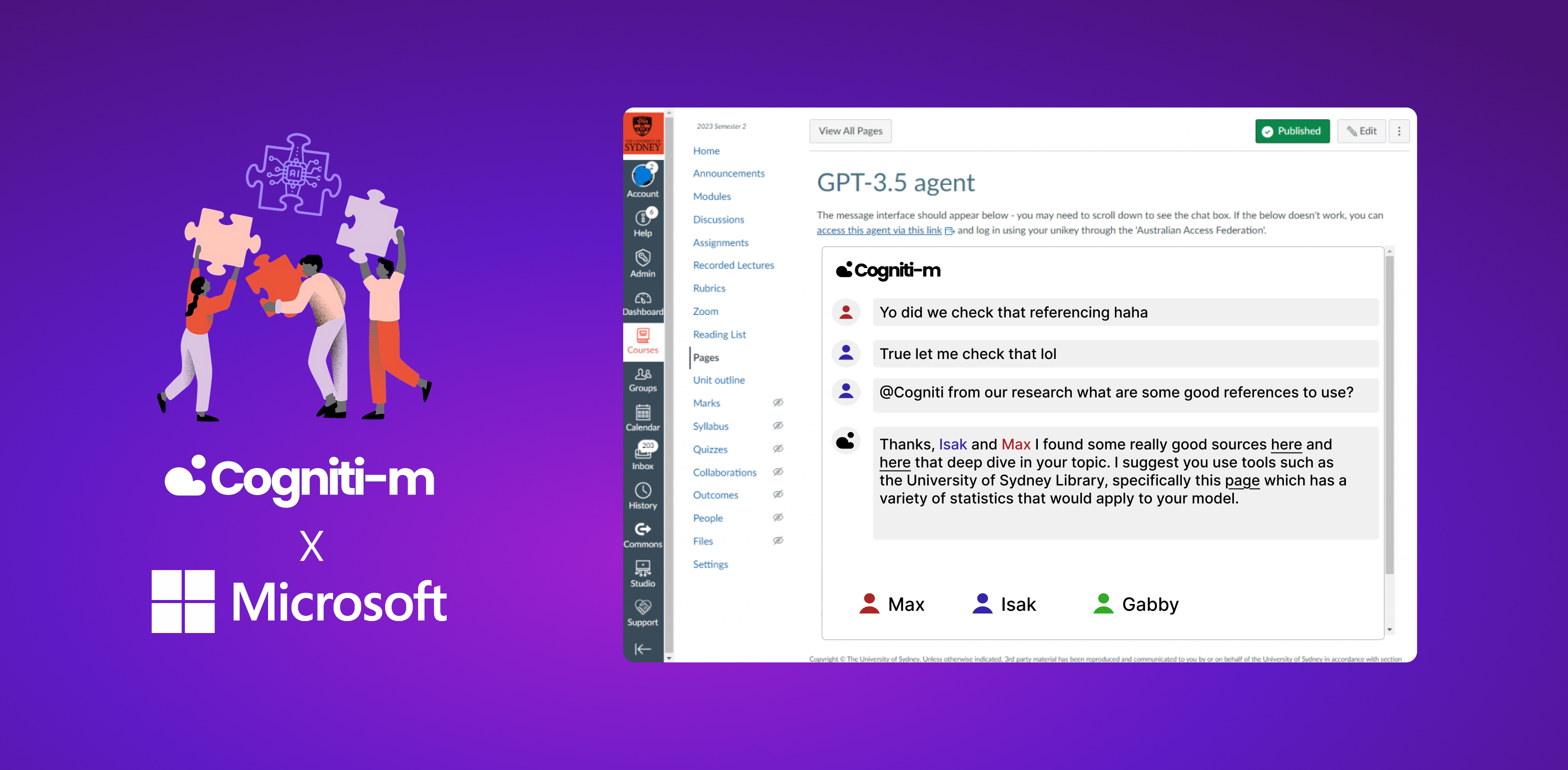
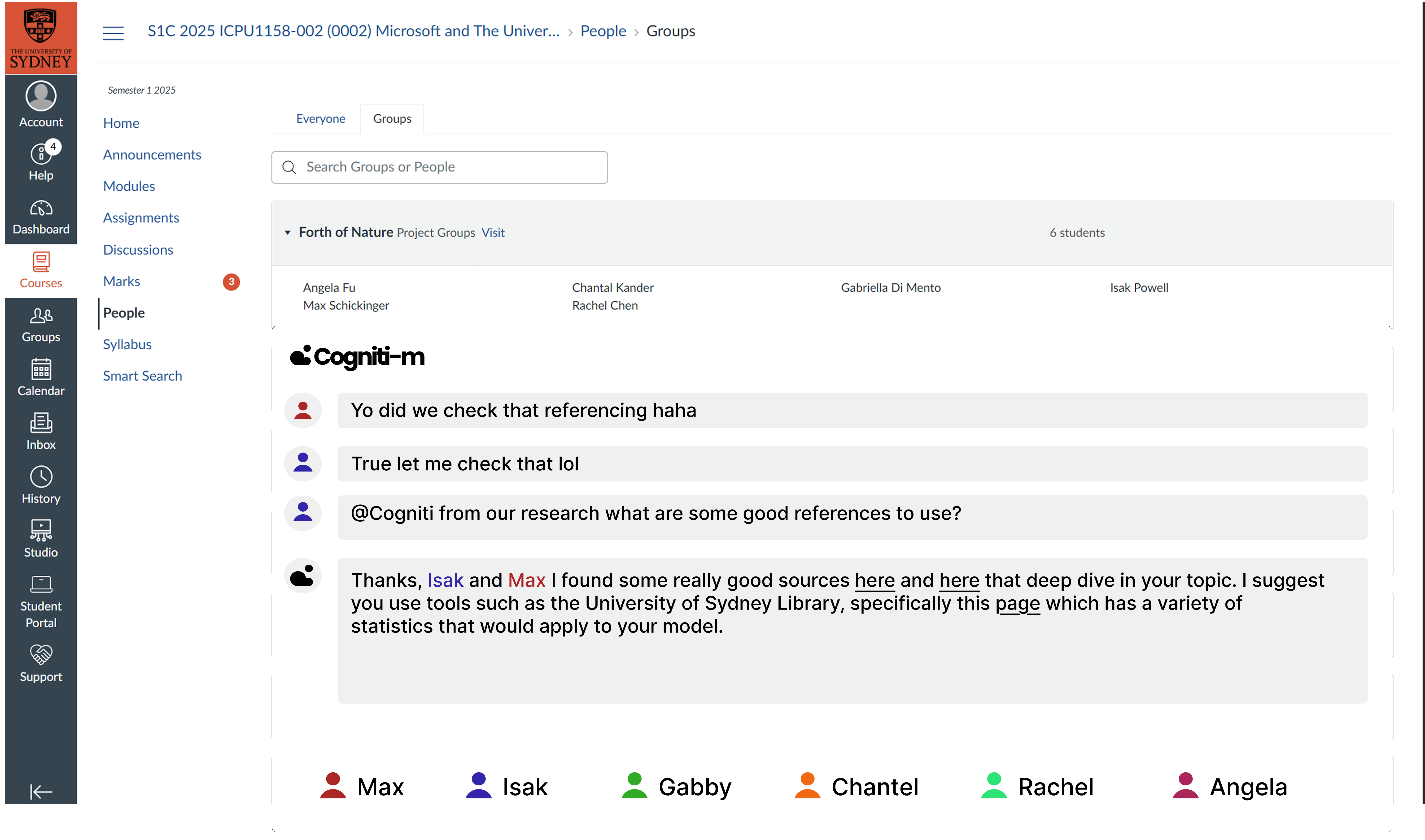
Cogniti-m lives in the group chat
Cogniti-m is embedded directly into the Canvas LMS group tab, the space where student project teams already coordinate. Any team member can tag it, and its responses are visible to everyone. It retains the full conversation history and can draw on uploaded documents, so its guidance is always in context.
The agent is programmed to lead and teach, not to complete work for students. It prompts productive discussion, challenges assumptions, and keeps academic integrity intact. It's an extension of USYD's existing Cogniti platform, meaning no new infrastructure, just a smarter group workspace.
We built it to prove it works
To validate the concept, a working prototype was built using Next.js and React chat components, with messages passed through Ably's publish/subscribe infrastructure and hosted on Vercel. The AI agent was given a custom system message defining its role, rules, and safety constraints, including a requirement to maintain academic integrity and never simply complete work for students.
Each message is stored with the sender's initials so the AI can differentiate between team members. The full group conversation history, not just the most recent message, is sent with every request, giving the agent real context. The team tested all listed features and confirmed they worked as intended.
From pilot to platform
The rollout is designed to start narrow and expand based on evidence. Final-year group project units are the ideal entry point: students are already collaborating under pressure, and the value of an AI group partner is most visible there.
Phase 1
Planning with EI Team, USYD IT Services. Build Cogniti-m extension, integrate into Canvas, onboard staff, internal testing.
3–4 weeks
Phase 2
Pilot launch across final-year group project units. Monitor usage, collect frequency metrics, identify engagement barriers.
Semester 1, 2026
Phase 3
Post-semester student surveys and faculty interviews. EI team reviews AI outputs for accuracy, personalisation, and group dynamics.
6 weeks
Phase 4
Expand to additional units and year groups. Continued tracking, end-of-unit feedback cycles, and ongoing improvements.
Semester 2, 2026
Six people, one proposal
Cogniti-m was developed as a group research proposal for a Microsoft-partnered USYD unit. Isak led ideation and Figma prototyping, designing the low-to-mid fidelity mockups that brought the concept to life visually.
Isak Powell
Angela Fu
Gabriella Di Mento
Chantal Kander
Max Schickinger
Rachel Chen